#36 – Can You Prevent Preeclampsia? A Deep Dive into Root Causes and Prevention Beyond Aspirin
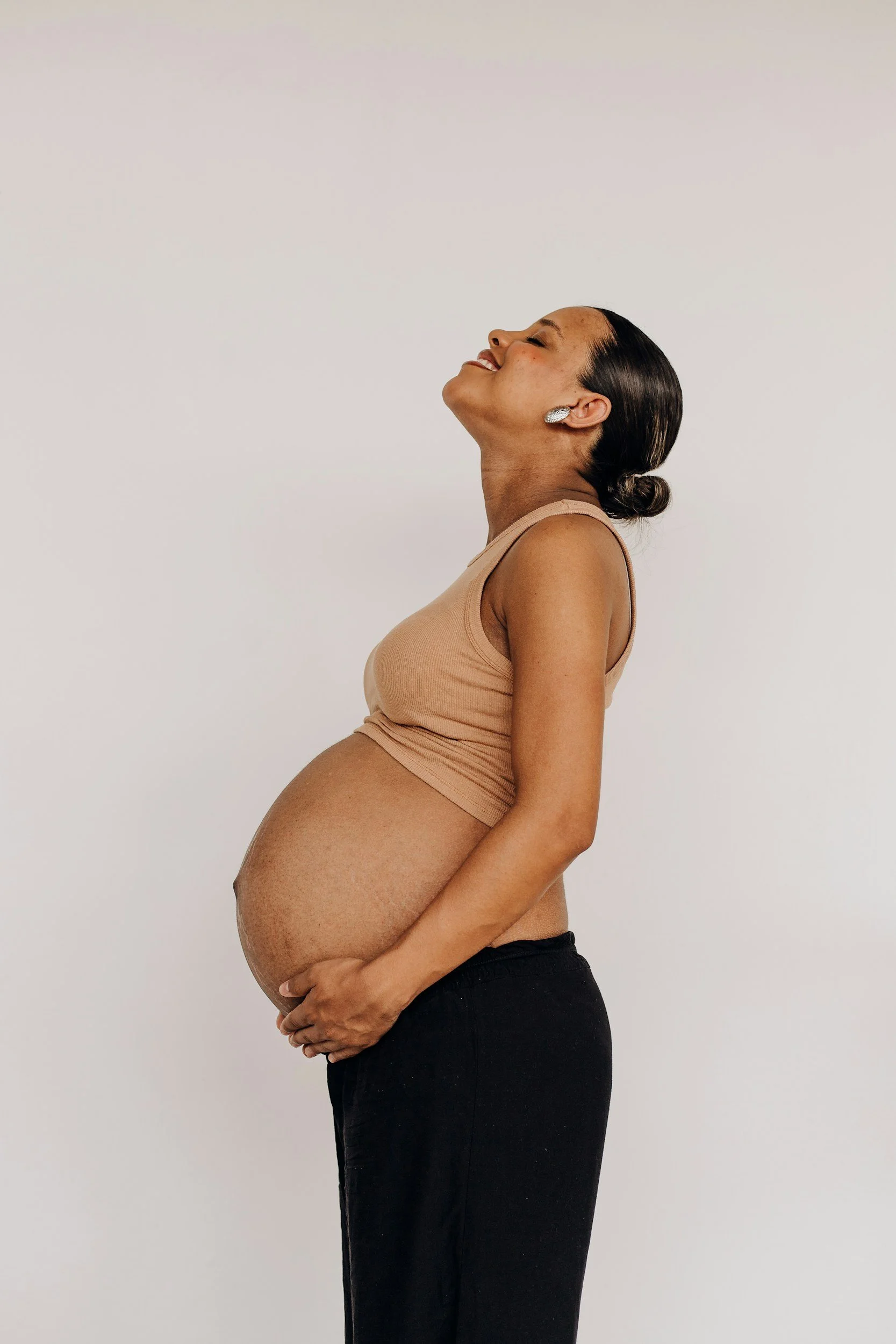
Episode Transcript for: #36 – Can You Prevent Preeclampsia? A Deep Dive into Root Causes and Prevention Beyond Aspirin
Listen on Spotify, Apple Podcasts, YouTube or wherever you get your podcasts.
Hey everyone! Welcome back to The Trip Lab. Today we are diving deeper into a pregnancy condition that I am very passionate about, both personally and professionally. And that is because pregnancy is one of the most profound physiologic transformations the human body can go through. And one of the things it reveals, sometimes very early, is how deeply connected the placenta is to the mother’s blood vessels, immune system, metabolism, and long-term health.
So today we are using preeclampsia as a window into all of that.
Preeclampsia is a potentially life-threatening disease of pregnancy and one of the leading causes of maternal and neonatal morbidity and mortality worldwide. And I know that sounds scary, but I do want to preface that this episode is not meant to scare you. It is meant to help you understand one of the most important pregnancy complications through a more empowered and whole-body lens.
So what is preeclampsia?
At its most basic level, preeclampsia is characterized by new-onset high blood pressure in pregnancy plus signs that other parts of the body are being affected. For those of you who like the specifics, the technical diagnostic criteria include new-onset high blood pressure after 20 weeks of pregnancy, plus either protein in the urine or evidence that the condition is affecting other organs, such as the platelets, kidneys, liver, lungs, brain, or visual system.
And this is the key here: preeclampsia is not just “high blood pressure in pregnancy.” The blood pressure is one sign of a much larger process affecting the placenta, blood vessels, inflammation, and multiple organ systems.
Preeclampsia can progress to eclampsia, which is when seizures occur, or to HELLP syndrome, which stands for hemolysis, elevated liver enzymes, and low platelets. Both of these are serious and can be life-threatening if not recognized and treated very immediately.
Clinically, we also classify preeclampsia as either without severe features or with severe features, and that distinction changes how urgently the pregnancy needs to be managed, how closely the patient is monitored, and what treatments are used in the hospital.
What we do know is that preeclampsia appears to be driven, at least in part, by a problem with the placenta. For reasons we are still trying to fully understand, the placenta begins releasing signals into the mother’s bloodstream that contributes to widespread inflammation and endothelial dysfunction, so basicaly that means a dysfunction or problem of the blood vessel lining. And because the placenta is central to the disease process, the only definitive treatment is delivery of the baby and the placenta.
However, common misconception that delivering the placenta “cures” preeclampsia. It definitely treats the root driver… but, the blood vessel dysfunction can still happen and people can actually be diagnosed with preeclampsia up to 6 weeks postpartum.
In the hospital, if someone has preeclampsia with severe features, we often give IV magnesium. And another common misconception: magnesium is actually not given to treat the blood pressure. It is given to protect the brain and reduce the risk of seizure in mom.
But what I really want to explore in this episode is the why.
Why does this life-threatening disorder develop in pregnancy? Why can it happen even in people who seemingly otherwise very healthy? What exactly does the placenta have to do with it? And of course, from an integrative perspective, what roles do inflammation, oxidative stress, immune tolerance, genetics, nutrition, stress, sleep, paternal health (which we will get into!), and environmental exposures potentially play?
Because, really, if we can understand those mechanisms more deeply, then we can start to think more clearly and more holistically about prevention. One tool in modern medicine that we do have is baby aspirin. So we will get all into how and why that works. Then we will extend the conversation beyond baby aspirin (and I clearly want to state that I mean in addition to it, not in replacement of it). But it turns out there is actually quite a lot we can do to support the body and potentially prevent preeclampsia from an integrative perspective.
My Personal Story
So this is a very specific condition and episode as it relates to pregnancy. And I want to share why. I actually developed preeclampsia (with severe features, which we will get into) in my pregnancy. So I want to share a little bit of my journey with this condition before we begin. Because I do think it’s really important, and truly part of integrative medicine to understand a patient's story.
So, backing up. I personally had ZERO risk factors (common risk factors are chronic hypertension, diabetes, kidney disease, autoimmune disease and obesity). And in general, I consider myself a very healthy person and I continued all of my healthy habits in pregnancy. I am an integrative medicine physician and I truly do practice what I preach in my own life. So when I got preeclampsia I truly was baffled. And I will say, getting the condition that I treated so frequently in residency, knowing the risks and what we had to do for treatment… it was something else being on the other side of things as the patient this time.
So, I went to my 38 week appointment. Ended up having extremely high blood pressures, was sent into OB triage for monitoring… checked my blood, my urine had protein in it… blood pressures were still extremely high… so I was diagnosed: I had preeclampsia. So right then and there I was induced (at 38 weeks, so technically at term), and that alone threw a huge wrench into my plans of having an unmedicated birth. Because I was induced, I obviously had to get pitocin to start labor, my water artificially broken, and I did end up getting an epidural (which we can definitely dive into in a later episode). Fast forward, my baby was born healthy and had no complications (except maybe the breastfeeding struggle… which again we can get into in a later episode). But the absolute worst part of the experience was after discharged, got to go home… was at home with my husband and a fresh fresh newborn… I checked my blood pressure and had alarmingly high blood pressures and had to go back to the ER and at that point was diagnosed with preeclampsia WITH severe features and had to get IV magnesium for 24 hours.
And I will be completely honest here… I had never felt so terrible in my life during that 24 hours. I didn’t have my son come with me to the ER for obvious reasons (you never know what is harboring in an ER) and then when I got back up to a post-partum room I couldn’t have my baby in the room alone with me which is standard of care because I was a seizure risk. I knew all of this being on the doctor side of this equation, but as a patient and brand new mom it is totally demoralizing to know that it is unsafe for your baby to be in a room alone with you.
On top of that, I hadn’t slept since I left the hospital and I didn’t sleep during the whole Mag experience… probably because I declined the foley catheter (now I understand why they say doctors make the worst patients). The magnesium and fluids cause you to pee an enormous amount. So unfortunately you have to have the assistance of a nurse to use the bathroom which I unfortunately had to do multiple times an hour. And saying that outloud, still to this day… I feel so terrible for her, and it truly did hurt my soul to call the nurse button that many times. But, in the moment there was just something in me that knew that I did not want the foley catheter. And for all of the nurses listening, I truly am so sorry, I know how terrible of a night shift that creates for you. I would never recommend that option to a patient, but for whatever reason in the moment that is what I chose. Would I choose it again? Hopefully not.
But, moving on.
Okay so I finally got discharged and had to take blood pressure medication for weeks after going home, I had extreme breastfeeding struggles leading to severe post-partum depression (which again, I definitely will do a later episode about). Did the pre-eclampsia and Mag cause the breastfeeding struggles? It’s possible it contributed, especially requiring magnesium, but again, that can be for a later day.
So all in all, this condition, and thus this episode, hits really close to home. So I went on a deep dive rabbit hole to really understand this condition on a deeper level. Because I did not have any risk factors. And because if there is ANY way to prevent this for myself in future pregnancies, and more importantly for me to help other women prevent it as well… that is my goal.
Beyond the experience alone, having preeclampsia in pregnancy is associated with an EIGHT FOLD higher risk of early death due to cardiovascular events like heart attacks and strokes. That is astonishing. So I am thinking ME?! Someone who does all the things “correct” in the name of health… I now have an increased risk of early heart attack and stroke? So we’ll get into all of that. Like distinguishing between is it the preeclampsia alone that increases your risk? Or does preeclampsia act as a sort of stress test to see how your heart and body behaves under stress. And spoler alert, it’s both, but again, we will get into all of that in this episode.
The other part of this condition that has always made me curious is that, technically, preeclampsia only affects 3-5% of pregnancies worldwide.[1] So on paper, it sounds relatively uncommon.
But my lived experience (both personally and professionally) has been very different.
On the doctor side side of my life, when I was in residency and working on labor and delivery, preeclampsia was everywhere. There were many times when half the patients on the floor had preeclampsia. Now, to be fair, I was working with higher-risk populations, and many of those patients did have known risk factors. But many did not.
And then in my personal life, I know a surprising number of otherwise healthy women (friends, colleagues) who developed preeclampsia also without any of the classic risk factors. So even though the statistics tell us one thing, my personal and professional experience does feel very different.
So I did some digging. That 3–5% number. The most recent data we have for that number comes from 2021. But we also have to acknowledge that the world has changed. We are now several years out from the COVID pandemic, and we are still learning about the downstream effects of COVID itself, long COVID, chronic inflammation, metabolic health changes… and all the other things, even if you didn’t have COVID: the stress, sleep disruption, and lifestyle shifts during and after lockdown.
The COVID Question
We do have evidence that COVID infection during pregnancy is associated with a higher risk of preeclampsia.[2,3] COVID can affect many of the same pathways involved in preeclampsia: endothelial dysfunction, inflammatory cytokine activation, oxidative stress, thromboinflammation, complement activation, and placental vascular stress.
Importantly, this is different from the COVID vaccine. The data we have on COVID vaccination in pregnancy are reassuring. In fact, the INTERCOVID analysis reported that vaccination was associated with a lower risk of preeclampsia (33% lower risk), while COVID infection itself was associated with higher risk (78% increased risk). So if we are talking about COVID as a possible contributor, the concern is the infection and inflammatory vascular burden of the virus — not the vaccine.
But I don’t think we can fully blame COVID. It may be one piece of the story… but what I really want to do in this episode is look deeper. We are going to dive deeper into leading theories on how preeclampsia develops, why it may happen even in people who seem otherwise healthy, what the current prevention strategies are, and what else we can think about from a holistic and integrative medicine perspective.
The Two-Stage Process of Preeclampsia
So let’s dive in and start with the pathophysiology. HOW does preeclampsia develop? And I will preface this by saying we are about to dive deep. Into some super interesting mechanisms, but it will take a little time to explain. If you want to skip to what you can actually do to potentially prevent preeclampsia, I have chapter markers so you can jump ahead (and a full transcript for this episode on my website). But I encourage you to listen to the how and why! It will make the recommendations make a lot more sense… and there is some fascinating stuff here. Ladies… we might be able to actually partially blame the MEN for this one, so listen on and you’ll see why.
But okay if you’re with me for the pathophysiology section, let’s jump in.
Right off the bat, I will state clearly that we still do not fully understand preeclampsia. There is not one single cause, one single pathway, or one single thing that explains every case. BUT we do have several proposed mechanisms, and understanding those will help us think more clearly about prevention and risk reduction.
One of the main ways we currently understand preeclampsia is through a two-stage process.
Stage 1 appears to begin very early in pregnancy, during placental development. The placenta starts developing in the first few weeks of pregnancy and becomes much more established by the end of the first trimester. And as a side note, this is one reason the first trimester can feel so intense. Your body is not only growing a baby; it is also building an entire organ to support that baby. That is a huge physiologic demand. Once the placenta is more fully established and functioning more efficiently, many people notice that first-trimester fatigue starts to lift.
Okay, back to preeclampsia.
The first stage is thought to involve early abnormalities in placental development. Studies suggest several things may be happening: the spiral arteries may not remodel as completely as they should, implantation may be more shallow than expected, and blood flow to the developing placenta may be restricted early on.[4,5]
So that is the setup.
Then stage 2 typically appears later in pregnancy, often in the third trimester, when the stressed placenta begins sending signals into the mother’s circulation.
So essentially what that means, is that the placenta begins releasing inflammatory and anti-angiogenic signals. These signals can affect the mother’s blood vessels, kidneys, liver, brain, platelets, and overall vascular system. That is when we start to see the clinical picture of preeclampsia: high blood pressure, protein in the urine, headaches, visual changes, abnormal labs, low platelets and essentially all signs of what we call end-organ involvement.
Okay so to recap, preeclampsia happens in 2 stages.
Stage 1 starts very early in pregnancy, during placental development. This is when the placenta is forming and trying to establish a healthy blood supply between the mother and the developing baby.
In a healthy pregnancy, specialized placental cells called trophoblasts bury into the maternal uterus and help remodel the spiral arteries. These spiral arteries are small blood vessels in the uterus that need to transform into wider, lower-resistance vessels so they can deliver enough blood to the placenta.
But in preeclampsia, this process may not happen as completely as it should. The trophoblast invasion may be more shallow, the spiral arteries may not remodel appropriately, and the placenta may end up with more restricted or inconsistent blood flow.
So, that is the setup. Then, as the pregnancy progresses, we progressively get less blood flow, less oxygen and more stress on both mom and baby. Which eventually leads to oxidative stress, which I do want to explain a little bit more because it will help us understand things a little bit better.
Oxidative stress happens when the production of reactive oxygen species (or free radicals) overwhelms the body’s antioxidant defenses. A little oxidative stress is normal in pregnancy because pregnancy is metabolically demanding. But in preeclampsia, the stressed placenta may produce too much oxidative stress, too much inflammation, and too many distress signals.
This is where mitochondria enter the picture.
So mitochondria, thinking back to basic high school biology, they are the powerhouses of the cell. But they are much more than that. They help turn oxygen and nutrients into usable cellular energy, called ATP. They also help regulate redox balance, inflammation, immune signaling, hormone production, and how cells respond to stress.
The placenta is an incredibly energy-demanding organ, so mitochondrial function is very important. But mitochondria are also vulnerable. When oxidative stress is high, mitochondria can become damaged or dysfunctional. And when mitochondria become dysfunctional, they produce even more reactive oxygen species (and targeting the mitochondria is one prevention strategy we will discuss).
So, this keeps happening behind the scenes until we reach the third trimester, when preeclampsia starts to show up in clinically noticeable ways. And again, I mentioned earlier, one of those was is called endothelial dysfunction. So the endothelium is the thin inner lining of the blood vessels. It helps regulate blood vessel relaxation and constriction, blood pressure, clotting, inflammation, and blood flow to organs.
When the endothelium is healthy, blood vessels can relax appropriately, blood flows smoothly, and the vessel lining has anti-inflammatory and anti-clotting properties. But when the endothelium becomes inflamed or injured, the blood vessels become more constricted, more reactive, more leaky, and more prone to clotting.
So clinically, preeclampsia shows up like this:
High blood pressure because the blood vessels are constricted and reactive.
Protein in the urine because the kidney’s delicate filtration system is affected.
Headaches or visual changes because the vascular system in the brain is involved.
Elevated liver enzymes or right upper quadrant pain because the liver can be affected.
Low platelets because the clotting system and platelet activation pathways are involved.
So again, WHY.
Of course, we know there are established risk factors for preeclampsia: chronic hypertension, kidney disease, diabetes, autoimmune disease, carrying multiples, higher BMI… all things we definitely know cause oxidative stress and endothelial dysfunction.
But what I’m especially interested in is this: Why can preeclampsia still happen in someone who seems otherwise healthy?
Why would a person without the classic risk factors still develop abnormal placentation, oxidative stress, inflammation, endothelial dysfunction, and high blood pressure in pregnancy?
Genetics
One possible piece of that puzzle is genetic predisposition.
The first known genetic mutation that is associated with higher risk for preeclampsia is the MTHFR gene mutation.[7,8] The MTHFR gene codes for an enzyme that activates (or methylates) some of the B vitamins (most notably for pregnancy, folate) and supports detox processes in the body. These pathways are essential for pregnancy because they support DNA synthesis, DNA methylation, placental development, vascular function, and normal cellular growth.
And going back to activating the B vitamins. If the body cannot efficiently convert folate into methylfolate, or 5-MTHF, then one of the essential downstream bodily reactions becomes less efficient: converting homocysteine back into methionine. When homocysteine is not recycled efficiently, it can accumulate in the blood and cause issues. Homocysteine is not bad in and of itself, it is a normal byproduct of metabolism. But high levels damage walls of the blood vessels, cause oxidative stress, vascular inflammation, and a more pro-thrombotic vascular environment.
So if you have this mutation, taking methylfolate in your prenatal (rather than folate or folic acid) can bypass this step and lower your chance of homocysteine buildup in the blood. There are a few other things that can be supportive to take if you have this gene mutation, which again we will get into in the next section when we talk about prevention.
Aside from the MTHFR gene mutation, there are other genetic factors researchers are looking into as well.
miR-155, which is a microRNA that regulates gene expression. It can become upregulated ininflammatory states and may interfere with normal vascularization and angiogenesis (or blood vessel formation).[9]
There are also genetic variations in the complement system, which is part of the innate immune system.[10] Complement helps the body respond to infection and cellular stress, but if it is overactivated or poorly regulated, it can contribute to inflammation, endothelial injury, and placental dysfunction.
We also see inflammatory gene polymorphisms, like variations in TNF-alpha, a major inflammatory cytokine.[11] And excess TNF-alpha can promote endothelial dysfunction, oxidative stress, and impaired placental vascular development.
So genetics play a role, but genetics are not destiny.
Knowing someone has a genetic tendency in one of these pathways may change how we think about supporting the body before pregnancy and during early pregnancy. For example, if someone has MTHFR variants or elevated homocysteine, it may be reasonable to think more carefully about folate form, B12 status, B6, riboflavin, choline, and other methylation-supportive nutrients.
And besides the MTHFR gene mutation, if someone appears to have a genetic disposition towards higher oxidative stress or inflammatory burden, then we may think more about antioxidant capacity, glutathione support, nutrient sufficiency, sleep, metabolic health, and possibly things like NAC in specific cases.
Epigenetics
So naturally from genetics, I want to talk about epigenetics. Which I think is SO cool and actually incredibly empowering.
Epigenetics refers to changes in gene expression. Meaning how genes are turned up, turned down, silenced, or activated. And this is directly influenced by lifestyle, environment, nutrition, stress, sleep, inflammation, toxin exposures, infections, and general metabolic health.
To start, a few nutrient depletions have been linked to preeclampsia including calcium, vitamin D and magnesium. We’ll get into what the studies show about supplementing these to prevent preeclampsia in a minute here. But to understand why, calcium regulates vascular tone, muscle contraction, blood pressure regulation, and endothelial function.[12] Vitamin D influences immune regulation, inflammation, endothelial function, placental development, and angiogenesis.[13] And magnesium helps regulate vascular tone, blood pressure, endothelial function, oxidative stress, and neuromuscular signaling.
In addition to specific nutrients, overall nutrition quality also plays a role because it influences inflammation, oxidative stress, insulin sensitivity, vascular health, gut microbiome composition, and antioxidant capacity.[14]
Exercise also directly plays a role in epigenetics. Movement supports insulin sensitivity, vascular function, blood pressure regulation, mitochondrial health, inflammation, and endothelial function.
Sleep is incredibly important too because disrupted sleep and sleep-disordered breathing can increase sympathetic activation, oxidative stress, inflammation, and blood pressure dysregulation.
Substance use like smoking and alcohol (in excess amounts) also increases oxidative stress, impair placental vascular development, worsen endothelial function, and contribute to a more inflammatory or pro-thrombotic environment.
Exposures to Environmental Toxins
Along the same lines, environmental toxins appear to play a major role. In my opinion, this might be one of the more clearer reasons why preeclampsia prevalence may be increasing (particularly in seemingly “healthy” individuals. I recently did a full deep dive series on environmental toxins and how they actually impact health. So check that out if you want to dive more into this.
But the short version is this: environmental exposures like microplastics, pesticides, heavy metals, air pollution, BPA, phthalates, PFAS, and other endocrine-disrupting chemicals are not just abstract concerns. They can affect hormone signaling, increase oxidative stress, disrupt mitochondrial function, alter immune signaling, impair the gut barrier and contribute to endothelial dysfunction.
And we are increasingly seeing these exposures linked with conditions like infertility, endometriosis, PMOS, autoimmune disease, cancer, cardiometabolic disease, and cardiovascular disease.
But what about preeclampsia specifically?
BPA has been shown to alter placental function and induce oxidative stress.[6] Phthalates affect lipid metabolism and inflammatory responses which also contribute to the overall pathophysiology of preeclampsia.[15] A 2025 study showed that PFAs specifically increase preeclampsia risk through impaired angiogenesis through VEGF signaling.[16] Looking at heavy metals, a 2018 systematic review found strong evidence that lead exposure is associated with increased preeclampsia risk.[17] And broader environmental health reviews have also found associations between preeclampsia and other heavy metals, including cadmium, as well as persistent organic pollutants, PCBs, and some pesticides. One review concluded that evidence was strongest for persistent chemicals like lead, cadmium, organochlorine pesticides, and PCBs.[18]
Air pollution is another piece of this. A meta-analysis found that higher exposure to fine particulate matter, or PM2.5, was associated with increased preeclampsia risk.[19]
So the link is definitely real. But, I don’t want these facts to create fear. I want them to empower you and help you understand the modern medical landscape a little better. We live in a world where exposures to environmental toxins are inevitable and unavoidable. But there are definitely simple ways to start reducing exposures. And preconception and pregnancy are powerful windows that provide an opportunity to actively focus on this to improve not only your pregnancy health and the health of your baby, but also your long term health as well.
In my recent deep dive series, I go through alllll the things you can do to reduce exposures and support the body’s clearance of these toxins (also part of that series is an episode on detox supplements and protocols… which ones actually have evidence and more importantly which ones are genuinely dangerous), so definitely check that out if this is of interest to you.
The Paternal Factor
Okay next, let’s get into one of the most FASCINATING (and under-discussed) parts of preeclampsia: the paternal factor.
Preeclampsia is usually only talked about as a maternal condition. And of course, it is happening in the pregnant person’s body. BUT the placenta is not purely maternal. The placenta is fetal tissue, which means it carries genetic information from both the mother AND the father.
So pregnancy is actually, to some degree, an immunologic negotiation between the mother and paternal genetic material.
Semen contains paternal antigens. An antigen is basically a molecular signal that the immune system can recognize. Antigens are how the immune system distinguishes “self” from “not self,” or familiar from unfamiliar.
When semen comes into contact with the maternal reproductive tract, the female body naturally mounts an immune response. In a healthy setting, this response is not supposed to be aggressive or inflammatory. It is supposed to be regulated. Seminal fluid contains immune-modulating factors that may help the maternal immune system become more tolerant of paternal antigens.
And as a quick side note, we are actually increasingly learning that some early pregnancy symptoms are actually influenced by the paternally influenced genetic material in the placenta. Specifically, increased GDF15, a hormone produced in the placenta influenced by male genetics, is linked to nausea and vomiting in pregnancy.[20]
But back to preeclampsia. So the semen contains antigens that the female body reacts to. Most of the time in a normal way, but sometimes in a pathological way that impacts how the placenta is formed. There are proposed “paternal antigens” expressed by the placenta that may actually influence maternal immune tolerance, trophoblast invasion, and how well the placenta establishes itself.[21]
Interestingly, repeated exposure to a partner’s semen before conception may actually help prime the maternal immune system to tolerate paternal antigens once pregnancy begins. This is one possible explanation for why preeclampsia is more common in first pregnancies, new-partner pregnancies, donor sperm pregnancies, and situations where there may have been less exposure to a partner’s seminal fluid before conception. Basically because there is inadequate immune tolerance to paternal antigens.[22] So more frequent sex with your baby daddy may actually decrease your risk.
Even more interestingly, modifiable paternal health factors also play a role. Paternal obesity has been associated with increased preeclampsia risk in the pregnant partner.[21]
And as a side note, paternal health does not just impact their partner’s preeclampsia risk. It actually influences the future long term health of the baby as well. Sperm carries more than DNA. It also carries epigenetic information shaped by things like diet, exercise, stress, obesity, smoking, and environmental exposures. Emerging evidence suggests that paternal exercise before conception can improve baby’s metabolic health, cognition, mitochondrial function, and stress-related behaviors. Paternal depression is also associated with higher risk of depression later on for baby, too.[23]
Okay another tangent… but I think this is just so fascinating.
Back to preeclampsia again.
Remember the MTHFR gene mutation we talked about in mom? The father having an MTHFR variant can also increase mom’s risk of preeclampsia.[21] And the same things I will recommend later on for mom can also be applied to dad.
All in all, we don’t need to “blame” the men (sort of, haha)... but what this really highlights is that a healthy pregnancy should not solely be focused on the person carrying the pregnancy. Male preconception health matters too.
The Microbiome
Okay the last root-cause layer I want to talk about is the microbiome.
And this is such a fascinating area because the microbiome is one of the major ways our external environment communicates with our immune system. We often think of the microbiome as just “gut health,” but in pregnancy we are really talking about multiple microbial ecosystems: the gut microbiome, the vaginal microbiome, the oral microbiome, the urinary tract, and even potentially microbes carried in semen.
And all of these microbial communities can influence immune regulation, inflammation, gut barrier function, and vascular health.
So how could this relate to preeclampsia?
One proposed way that researchers are looking into is through what we call gut dysbiosis, or an imbalance in the gut microbiome. When bacteria in your gut are in healthy balance, the beneficial bacteria help produce short-chain fatty acids, or SCFAs, like butyrate, acetate, and propionate. These compounds help support the intestinal barrier, regulate inflammation, influence immune tolerance, and and vascular function.
But when there is gut dysbiosis, we have an increase in not so good bacteria (not totally pathogenic or infectious)... but that inevitably means less beneficial bacteria and thus lower short-chain fatty acid production. That weakens the intestinal barrier, making it easier for inflammatory compounds, bacterial fragments, or endotoxins like LPS to cross into circulation. Once those inflammatory signals enter the bloodstream, they can contribute to systemic inflammation, endothelial dysfunction, oxidative stress, and eventually impaired placental development.[24]
Interestingly, we do see specific differences in the microbiome of women who have preeclampsia. A 2024 review specifically notes decreased Varibaculum, Prevotella, Lactobacillus, and Porphyromonas genera in preeclampsia microbiomes compared with normotensive pregnancies.[25]
And it’s not just the gut microbiome. The vaginal microbiome plays a role too. Specifically, a lactobacillus-dominant vaginal microbiome is associated with a healthier, lower-inflammatory body and lower lactobacillus species have been associated with increased inflammation and increased risk for placental dysfunction in preeclampsia.[26]
The oral microbiome, too! A systematic review and meta-analysis found that periodontitis was significantly associated with increased preeclampsia risk.[27] When the gums are chronically inflamed, that actually causes wide-spread inflammation. Interestingly, the male factor strikes again in this realm too. Reviews note that because semen is not sterile, it may actually be introducing microbes or microbial signals into the maternal reproductive environment and changing the microbiome.[28]
Classic Risk Factors
So these are some of the newer areas of research. I focused more on the emerging data to understand why this develops in people without risk factors. But of course there are risk factors that pose more obvious risk. So these are things like pre-existing hypertension, which is more obvious because the body is already under endothelial strain. Diabetes and insulin resistance increase oxidative stress, inflammation, and vascular dysfunction. Obesity is associated with chronic low-grade inflammation, altered adipokines, insulin resistance, and higher risk of sleep-disordered breathing. Kidney disease increases risk because the kidneys are deeply involved in blood pressure regulation and are highly sensitive to endothelial dysfunction. Autoimmune conditions, especially lupus and antiphospholipid syndrome, can increase inflammation, complement activation, clotting risk, and placental vascular problems. Sleep apnea may contribute through intermittent hypoxia, sympathetic activation, oxidative stress, and blood pressure dysregulation. And finally, age, IVF, carrying multiples, family history, prior preeclampsia, and first pregnancy all add risk through a mix of placental demand, immune adaptation, genetics, and vascular stress.
All in all, there is a lot that goes into what potentially causes preeclampsia.
The Link to Cardiovascular Disease
Before we move into prevention, there is one more piece of this conversation that I think is really important that I mentioned earlier: the link between preeclampsia and long-term cardiovascular disease.
This is something I keep seeing talked about online. So I really want to dive into it because my question was: Does preeclampsia alone actually increase your risk? Or is preeclampsia more like a stress test to see how your body performs under strain?
So that ‘8-fold risk’ number came from a large 2012 Norwegian cohort that followed more than 836,000 women who had preeclampsia in pregnancy to assess later cardiovascular mortality. The highest-risk group was women who had preterm preeclampsia and then did not have another pregnancy. In that group, cardiovascular mortality risk was much higher: around an eight to ninefold increase compared with women without preeclampsia.[29] Preterm preeclampsia is often associated with other underlying health factors, which may be playing a role.
A later 2017 systematic review and meta-analysis found that having preeclampsia is associated with about a fourfold increased risk of future heart failure and about a twofold increased risk of coronary heart disease, stroke, and cardiovascular death.[30] So not as dramatic as the earlier study, but definitely still VERY significant.
So yes, preeclampsia is clearly associated with later cardiovascular disease. But the question remains: Is preeclampsia itself causing long-term vascular damage? Or is preeclampsia acting like a “stress test” that reveals a person’s underlying cardiovascular risk?
A 2022 study helps clarify this. It found that traditional cardiovascular risk factors do actually explain a large portion of the increased cardiovascular risk after preeclampsia (and other hypertensive disorders of pregnancy).[31] Established risk factors like chronic (or pre-existing) hypertension, existing high cholesterol, type 2 diabetes, and elevated BMI accounted for about 57% of the increased cardiovascular disease rate. Gestational hypertension (which is high blood pressure developed during pregnancy) accounted for about 84% of that increased risk in those that went on to develop preeclampsia.
So this study essentially delineates that underlying cardiovascular and metabolic risk plays a role beyond just the disease process of preeclampsia itself.
However, it turns out that preeclampsia itself does play a role too.
A 2025 study found that the longer the interval between preeclampsia diagnosis and delivery, the higher the long-term cardiovascular risk before age 55.[32] Specifically the paper estimates a 1–2% increased risk per day from preeclampsia diagnosis to delivery. So that means if you are diagnosed with preeclampsia and are induced 2 days later, your risk for heart disease later on increases about 2-4%, while waiting a week before induction increases your risk about 7-14%. These findings suggest that the longer the body is exposed to the inflammatory, endothelial, hypertensive, and vascular stress of preeclampsia before delivery, the more that may influence long-term cardiovascular risk. So this makes preeclampsia itself a vascular injury event.
Preeclampsia Prevention Strategies
Okay, SO. I wanted to take the time to really break all of this down because preeclampsia is often just talked about when it gets diagnosed later in pregnancy and the focus is on immediate treatment and delivery. And as it should be. Like I stated earlier, treatment needs to happen promptly (and in some cases, emergently) and our top priority is protecting both mom and baby from immediate danger.
But, if we look deeper, preeclampsia is very complex. It is a placental condition, a vascular condition, an inflammatory condition, an immune condition, a metabolic condition, and, for some people, an early warning sign about long-term cardiovascular health. And we are still learning about it.
The good news is that many of the pathways involved in preeclampsia are at least partially modifiable. Not perfectly controllable and preventable, but definitely modifiable.
We can support vascular health, metabolic health, reduce inflammatory load, correct nutrient deficiencies, support sleep and stress physiology, reduce exposure to environmental chemicals and think about BOTH maternal AND paternal preconception health.
And some of this is very foundational: nutrition, movement, sleep, blood pressure, blood sugar, and overall cardiometabolic health. But there is also some really interesting emerging research around specific nutrients, supplements, and supportive practices that may influence preeclampsia risk.
So let’s finally get into it. What can we do to potentially prevent preeclampsia?
Aspirin (and statins?)
And I'm actually going to start with aspirin because this is one of the few prevention strategies with a ton of data and will likely be recommended by your OB or midwife if you meet criteria.
ACOG recommends low-dose aspirin, or baby aspirin, 81 mg daily, starting between 12 and 28 weeks of pregnancy, ideally before 16 weeks, and continuing until delivery.[33] Your OB or midwife will likely recommend this if you have had preeclampsia in a prior pregnancy, but also if you have other high-risk factors, such as carrying multiples, chronic hypertension, pregestational diabetes, kidney disease, or autoimmune disease.
So how does it work?
Aspirin irreversibly inhibits COX-1, which ultimately reduces platelet production of thromboxane A2. Thromboxane A2 promotes platelet activation, blood vessel constriction, and a more pro-thrombotic vascular environment. And as we talked about earlier, platelet activation, vascular constriction, and endothelial dysfunction are all part of the pathophysiology of preeclampsia.
And it is very safe and well studied. Randomized controlled trials and large reviews have not shown an increased risk of major hemorrhagic complications with low-dose aspirin in pregnancy, including placental abruption, postpartum hemorrhage, or fetal intracranial bleeding.
Now, what is important to know is that it really only helps prevent preterm or early-onset preeclampsia, if started early enough. It appears to have minimal effect on late-onset or term preeclampsia. However, early-onset and preterm preeclampsia is the more dangerous phenotype. So even a modest reduction risk is meaningful and worth doing, especially because aspirin is low-risk, inexpensive, and well studied. So aspirin stays first on the list of prevention strategies because it is one of the best-supported tools we have.
And for those of you listening who feel hesitant about taking a medication in pregnancy (or in general want a more holistic approach), I also think it is interesting to remember that aspirin actually is derived from a plant! It is derived from willow back, which contains salicin, which is a precursor to acetylsalicylic acid (aka Aspirin). And I say this to paint a bigger picture: we do not need to choose between conventional medicine and holistic health. We can have both! And that is what integrative medicine is. And, there is often much more overlap between holistic and conventional medicine than you might think. Many of our modern medicines originated from plants or natural compounds. The difference is that medications like aspirin are isolated, standardized, purified, studied, and dosed in a way that allows us to better understand both benefit and risk.
Now I do want to clearly state that I do NOT recommend willow back as a substitute for baby aspirin in pregnancy. Willow bark has variable salicylate content, has not been studied in the same way for preeclampsia prevention, and could carry unpredictable risks or interactions.
Okay next, just a quick mention of statins. And I know, I know… statins are “controversial” in the holistic health world. I actually did a full deep dive on this in an earlier episode and we looked into all of the reasons why some people call statins “evil,” what the data actually shows behind those claims, and why statins can be genuinely life-saving for many people. That was episode 19, all about hyperlipidemia and why both cholesterol and statins are not the villains you may think they are.
But statins and preeclampsia? There is actually a pretty interesting paper published in 2020 in the American Journal of Obstetrics and Gynecology that discusses statins as a potential strategy for reducing the risk and severity of preeclampsia.[34] The proposed benefit is not just about lowering cholesterol. Statins also have anti-inflammatory, antioxidant, anti-thrombotic, and endothelial-supportive effects. They may improve vascular function, reduce oxidative stress, stabilize blood vessels, and influence angiogenic pathways involved in preeclampsia biology.
The statin that has been studied most in this context is pravastatin, partly because it appears to have less placental transfer compared with some other statins. But this is still very much an emerging area. Statins are not currently a standard recommendation for preeclampsia prevention, and they should not be started in pregnancy for this purpose outside of specialist care or a research setting.
Okay, now into more integrative strategies. I am going to start with supplements, since that is what people seem to be the most interested in. Then we will get into other important lifestyle medicine changes like nutrition and exercise… and even mind-body medicine.
So supplements. I’m going to review a lot of the ones that have been studied (some with quite a lot of data, some with less data but are safe and supportive in pregnancy regardless so can definitely be considered).
Calcium
Let’s start with calcium, because it actually has the strongest data here. Calcium plays an important role in vascular smooth muscle function, vascular endothelial function, and blood pressure regulation. It also helps regulate parathyroid hormone which indirectly influences vascular tone and blood pressure.
A 2025 review on dietary supplements and preeclampsia prevention notes that calcium is one of the best-documented supplements for reducing preeclampsia risk, especially in populations with low baseline calcium intake.[35] And the studies actually show that calcium supplementation may reduce preeclampsia risk substantially: by around 50%! So comparing that to aspirin, it is actually superior. (I still absolutely recommend aspirin as well… but just wanted to point that out).
Now, the important nuance is that calcium supplementation seems most relevant when someone is not getting enough calcium from food. So this is not necessarily about mega-dosing calcium. It is about making sure total calcium intake is adequate.
So this is what I would recommend: First estimate your average daily calcium intake from food. I’ll link a calcium calculator in the show notes to help you do this very easily. Then look at how much calcium is already in your prenatal vitamin. Many prenatals do not contain much calcium, and some contain none at all, because calcium is bulky and difficult to fit into a prenatal capsule. Then use this simple formula: 1,500 mg (which is the pregnancy RDA) minus your average daily calcium from food minus the calcium in your prenatal = your estimated supplemental calcium need. So for example, if you are getting about 800 mg of calcium from food and your prenatal has 200 mg, then you may only need about 500 mg extra per day.
If that feels too complicated, a very reasonable starting point is 500 mg of supplemental calcium daily, especially if you know your dietary calcium intake is on the lower side.
And 500mg is actually very supported by newer research showing that in populations with low calcium intake, lower-dose calcium supplementation (around 500 mg per day) was NOT inferior to the traditional higher-dose 1,500 mg per day strategy for preventing preeclampsia. So more is not always better; the goal is adequacy.
For form, I typically prefer calcium citrate, especially if someone has reflux, takes acid-suppressing medication, or wants something that is easier to absorb without relying as much on stomach acid. Calcium carbonate can also work and is usually less expensive, but it is best absorbed with food.
And one more important note: calcium can interfere with absorption of certain medications and minerals, especially thyroid medication and iron, so I usually recommend separating calcium from thyroid medication by at least four hours and from iron by a couple of hours if possible.
Vitamin D
Next is vitamin D, and this is one where the evidence is more mixed, but clinically, I still think it is very reasonable to take. Vitamin D is important for pregnancy for many reasons. It plays a role in immune regulation, inflammation, placental development, vascular function, bone health, and fetal development. And for preeclampsia specifically, vitamin D deficiency has been associated with increased preeclampsia risk.
Vitamin D appears to influence the placenta and blood vessels in several ways. Lab studies suggest vitamin D may increase vascular endothelial growth factor, or VEGF, and placental growth factor, or PlGF: both of which are involved in blood vessel formation and healthy placental vascular development. Vitamin D has also been shown in animal models to help lower blood pressure and improve vascular function.
I will state clearly, however, that the clinical data for supplementing vitamin D to prevent preeclampsia is mixed.
A 2020 meta-analysis of randomized controlled trials found that starting additional vitamin D supplementation around 20 weeks of pregnancy was associated with a reduced incidence of preeclampsia.[36] But a more recent Cochrane review in 2024 did not find clear benefit of vitamin D supplementation for reducing preeclampsia risk.[37]
So this is how I see it: Vitamin D deficiency is associated with preeclampsia risk, vitamin D is biologically relevant to placental and vascular health, and vitamin D sufficiency is important for maternal and fetal health regardless.
So in my mind, this is a very reasonable risk-optimization step.
Practically, I like a lab-guided approach. Check a 25-hydroxyvitamin D level before pregnancy or early in pregnancy, and supplement based on the result. Many prenatals contain some vitamin D, but often not enough to correct a deficiency. For many people, that means adding extra vitamin D3, often somewhere around 2,000 IU in addition to your prenatal, though some people need more depending on their baseline level, body size, absorption, sun exposure, and clinician guidance.
Magnesium
Next is magnesium.
So when someone develops preeclampsia with severe features, we use IV magnesium sulfate in the hospital to reduce the risk of seizures. That is not the same conversation as taking an oral magnesium supplement at home. IV magnesium is a medical treatment used in the setting of active disease to protect the brain; oral magnesium is a nutritional supplement we are talking about in the prevention and support category.
So does oral magnesium supplementation prevent preeclampsia?
Probably not, and let me explain why. The data are interesting… but not strong enough for magnesium to be a primary prevention recommendation at this time. A 2022 meta-analysis of randomized controlled trials found that oral magnesium supplementation during pregnancy was associated with a reduced risk of preeclampsia overall, with a relative risk of 0.76. But in subgroup analysis, magnesium did not significantly reduce preeclampsia risk in healthy pregnant women without specific risk factors.[38] A 2025 supplement review summarizes this by saying that current evidence does not support routine oral magnesium supplementation specifically for preeclampsia prevention.[35]
So my take is this: various formulations of magnesium supplements actually support a lot of pregnancy-related symptoms beyond preeclampsia prevention. Magnesium glycinate can be helpful for sleep, muscle tension, headaches, anxiety, and nervous system support. Magnesium citrate can be helpful if constipation is an issue. So I would use it as needed for those conditions, but knowing that it is likely not going to make a huge impact on presenting preeclampsia. Dosing is typically 200-400mg daily, and you can mix and match different formulations of magnesium (glycinate, citrate, etc.) to reach the 400mg daily.
Lycopene
Next is lycopene, which is a carotenoid antioxidant found mostly in tomatoes and tomato-based foods.
Lycopene has antioxidant and anti-inflammatory properties, and preeclampsia involves oxidative stress, endothelial dysfunction, and inflammation. So mechanistically, it makes sense that researchers have looked at it.
The clinical data, though, are mixed. Some studies suggest lycopene may reduce preeclampsia risk in women who already have risk factors, but it does not appear to clearly prevent preeclampsia in otherwise healthy, low-risk women.
So my practical take: eat more tomatoes, but don’t waste your money on a specific lycopene supplement just yet.
Tomatoes, tomato sauce, tomato paste, and cooked tomato products are great sources of lycopene. And interestingly, lycopene is often better absorbed from cooked tomato products, especially when eaten with a little fat, like olive oil. So a Mediterranean-style meal with tomato sauce and olive oil is probably a better recommendation than buying a lycopene supplement anyways.
Omega-3s (DHA + EPA)
Next is omega-3 fatty acids, specifically DHA and EPA.
The data on omega-3s and preeclampsia are somewhat mixed, but overall I think this is a very reasonable nutrient to consider in pregnancy because omega-3s are important for both maternal and fetal health regardless (and most prenatals do not contain enough or any at all). DHA and EPA help regulate inflammation, support endothelial function, influence lipid metabolism, and may help shift the body away from a more inflammatory vascular environment. Since preeclampsia involves inflammation, oxidative stress, endothelial dysfunction, and vascular reactivity, omega-3s are biologically plausible.
And the data for preeclampsia?
Older reviews noted that while observational studies often found lower omega-3 intake associated with higher preeclampsia risk, many supplementation trials and systematic reviews were negative or mixed.[39]
More recent meta-analyses are a little more favorable. A 2023 meta-analysis found that omega-3 supplementation during pregnancy was associated with a reduced risk of preeclampsia, with a relative risk of 0.75.[40] A 2024 systematic review and meta-analysis also concluded that omega-3 supplementation and fish oil significantly reduced preeclampsia risk.[41]
But even with those favorable findings, a 2025 review concluded that although omega-3 supplementation may have beneficial effects against preeclampsia, there is still not enough evidence to recommend it universally for preeclampsia prevention alone.[35]
So my take is this: Omega-3s supplements may or may not help with preeclampsia prevention. But they are very reasonable to supplement in pregnancy regardless because DHA is essential for fetal brain and eye development, may reduce risk of preterm birth… and most prenatals do not contain enough DHA and EPA to meaningfully meet pregnancy needs. More specifically, the 2018 Cochrane review on omega-3 fatty acid addition during pregnancy found reduced risk of preterm birth and very preterm birth.[42]
My rule of thumb: If you eat 3-4 servings of fish a week, you probably don’t need to supplement with an additional omega-3. If you don’t, then supplementing with around 1,000 mg of combined DHA/EPA can be helpful.
Conezyme Q10 (CoQ10)
Next is CoQ10, which I think is one of the more interesting supplements in this conversation.
CoQ10, or coenzyme Q10, is a vitamin-like, fat-soluble compound that the body makes naturally. It is found in cell membranes, but it is especially important inside the mitochondria, where it helps the body make cellular energy, or ATP. It also acts as an antioxidant, helping protect cells from oxidative stress.[43] As we talked about earlier, preeclampsia involves oxidative stress, mitochondrial dysfunction, inflammation, and endothelial dysfunction. So anything that supports mitochondrial function and antioxidant capacity is worth discussing.
Specifically, we do have evidence that women with preeclampsia have significantly decreased plasma levels of CoQ10 compared with pregnant women who do not have preeclampsia.[35]
And there is one small, but interesting, randomized controlled trial. In that study, women at increased risk of preeclampsia were given 200 mg of CoQ10 daily starting at 20 weeks of pregnancy until delivery. Preeclampsia developed in 14.4% of the CoQ10 group compared with 25.6% of the placebo group.[44] That is a meaningful difference, but it was still one relatively small trial, so we need larger, higher-quality replication before calling this a standard recommendation.
So I think that it is worth considering.
Additionally, CoQ10 is also something many integrative and fertility clinicians already use while trying to conceive or during IVF because of its role in mitochondrial function and egg quality. In that setting, doses are often much higher, sometimes around 400–600 mg/day. But during pregnancy, if someone is using CoQ10, I would generally think in a lower range, often around 100–200 mg/day, and only after discussing it with their OB or midwife.
It does appear to be relatively safe and well-tolerated, but it can get expensive. So because the preeclampsia-prevention data are not definitive, I would treat this as a personal decision. If someone has a history of preeclampsia, mitochondrial concerns, fertility history, or a strong interest in preconception optimization, CoQ10 may be worth discussing with their clinician.
N-acetylecysteine (NAC)
Next, we have NAC, or N-acetylcysteine.
NAC supports the production of glutathione, which is the body’s master antioxidant. Glutathione helps maintain redox balance, protect cells from oxidative stress, support mitochondrial function, and regulate inflammation. And, of course, all of those things— directly related to preeclampsia.
So this one may be helpful for people with higher oxidative stress burden, elevated homocysteine, methylation concerns… and specifically how I use it in my practice is those with MTHFR variants outside of pregnancy.
But the data specifically for preeclampsia prevention is pretty limited right now and mixed. An older 2005 study found that NAC reduced blood pressure and was safe, without adverse effects to baby.[45] So not technically preeclampsia prevention, but some interesting data. But A 2006 randomized trial in severe preeclampsia and HELLP syndrome actually found that oral NAC did not stabilize the disease or prolong time to delivery.[46] Again, it was used for stabilization (after you’ve already been diagnosed with preeclampsia), so not necessarily preeclampsia prevention.
So overall we just don’t have a lot of data, yet. But there is still interest in this area. There is a 2026 trial protocol/preprint that will be evaluating daily oral NAC versus placebo in pregnant women with early-onset preeclampsia.[47]
So my take: I probably wouldn’t recommend NAC supplementation in pregnancy just yet. But I do think it is reasonable to consider before pregnancy while trying to conceive, especially if you or your partner have a MTHFR gene mutation. And both partner and mom can take this while TTC.
Okay. So that was supplements. And those are the ones who have the most data thus far. There are some other ones that are being looked at, including vitamin C, vitamin E, selenium, L-arginine, L-carnitine and melatonin… but the data for those ones are either mixed, very limited or not as promising, at least at this time.
Nutrition
So now, let’s move onto some other supportive practices that can be done while trying to conceive and pregnancy that may be helpful.
And of course, the most important nutrition plan is the one that supports a healthy pregnancy and a healthy lifestyle overall: mostly whole foods, minimally processed foods, enough protein, enough fiber, healthy fats, and a wide variety of colorful plants.
But there are also some specific dietary patterns that have been studied in relation to preeclampsia.
The first is the DASH diet, which stands for Dietary Approaches to Stop Hypertension. And this makes a lot of sense because DASH is designed to support blood pressure and vascular health. It emphasizes fruits, vegetables, whole grains, legumes, nuts, seeds, lean protein, potassium, magnesium, calcium, and fiber, while reducing excess sodium and ultra-processed foods. A 2025 review concluded that higher adherence to a DASH-style diet during pregnancy was associated with about a 35–45% lower risk of preeclampsia.[48]
Along the same lines, we have the Mediterranean diet, which is probably one of the most well known and beneficial nutrition plans for many many chronic diseases. This pattern emphasizes vegetables, fruit, legumes, whole grains, nuts, seeds, olive oil, fish, and lower intake of ultra-processed foods. A 2025 review found that Mediterranean diet adherence was associated with a 22–69% reduction in preeclampsia risk. And this is thought to relate to lower inflammation, improved endothelial function, better metabolic health, antioxidant intake, healthier fats, and improved angiogenic balance.[49]
Getting more specific, fiber plays a role as well. One study found that higher fiber intake in early pregnancy was associated with lower preeclampsia risk. Women in the highest quartile of fiber intake, which was at least 21.2 grams per day, had a significantly lower risk compared with those in the lowest quartile, and each 5-gram increase in total fiber was associated with a trend toward lower risk.[50] Practically, I would aim for a realistic pregnancy target, often around 25–30 grams per day, using foods like vegetables, berries, beans, lentils, chia seeds, flax, oats, avocado, nuts, seeds, and whole grains.
There is also some interesting research on probiotic foods. A large Norwegian cohort found that regular intake of milk-based probiotic products was associated with lower preeclampsia risk, especially severe preeclampsia. And this goes back to that whole microbiome conversation that we talked about earlier.[51]
Another Norwegian cohort found that probiotic milk intake in late pregnancy was associated with lower preeclampsia risk, while early pregnancy intake was more associated with lower preterm birth risk.[52]
Exercise
Okay great. Next is exercise, which I have a lot of thoughts on.
I have heard a very wide range of recommendations from OBs and midwives when it comes to exercise in pregnancy. Some are extremely cautious and recommend only walking, while others are comfortable with people continuing many forms of exercise, with appropriate modifications as pregnancy progresses.
I definitely fall more on the latter side of that spectrum.
If someone has a low-risk pregnancy (meaning no placenta previa, no significant bleeding, no major placental concerns, no cervical insufficiency, and no other specific medical reason they have been told to restrict activity), I am very supportive of exercise during pregnancy.
My general rule of thumb is: listen to your body and modify as needed. I wouldn’t necessarily recommend starting a new intensive program if you were not already training that way before pregnancy… But movement itself is not something to fear.
In fact, I think many pregnant people have a very intuitive sense of what feels okay and what does not. And exercise can help with so many pregnancy-related symptoms: back pain, pelvic pain, constipation, sleep, mood, blood sugar regulation, circulation, energy, strength, and the physical demands of labor and postpartum recovery.
But let’s look specifically at preeclampsia prevention. And I will admit, theres not a lot of data here.
But something I really want to point out: Just because there is not a lot of data, does not mean that exercise is not supportive in preventing preeclampsia. It means that we just haven’t studied it yet.
But we do have a couple of studies.
A 2012 randomized trial found that yoga in high-risk pregnancy may reduce hypertensive-related pregnancy complications and improve fetal outcomes.[53] So, not specific to preeclampsia, but definitely related.
A newer 2024 review found that regular physical activity during pregnancy was associated with decreased risk of gestational hypertension, although it did not find a clear reduction in preeclampsia specifically.[54]
Sleep
Okay next we have sleep! Which is a big one.
Sleep is one of the most underrated parts of pregnancy health in general, and it is especially relevant when we are talking about preeclampsia because poor sleep affects so many of the pathways involved in this condition: blood pressure regulation, sympathetic nervous system activity, cortisol rhythm, inflammation, oxidative stress, insulin sensitivity, endothelial function, and vascular tone.
There is also a specific relationship between sleep-disordered breathing, especially obstructive sleep apnea, and hypertensive disorders of pregnancy. Sleep apnea causes repeated episodes of low oxygen overnight, which can activate the sympathetic nervous system, increase oxidative stress, worsen endothelial dysfunction, and raise blood pressure. So if someone is snoring loudly, waking up gasping, having witnessed apneas, waking with headaches, feeling excessively sleepy during the day, or has risk factors like obesity, chronic hypertension, or prior preeclampsia, I think a formal sleep evaluation or sleep study is very reasonable and is something that can be discussed with your care team.
But even for people who do not have obstructive sleep apnea, sleep still matters.
A 2024 systematic review and meta-analysis found that sleep disturbance during pregnancy was associated with an increased risk of preeclampsia.[55]
So from a prevention standpoint, sleep is not optional. It is part of vascular and inflammatory health.
So yes, it’s really important. But it is also really hard to get good sleep in pregnancy.
So some quick tips to support sleep in pregnancy: Prioritize a consistent sleep window (bedtime and waketime) as much as possible. Get morning light exposure to anchor your circadian rhythm. Dim lights at night, limit bright screens before bed and keep the room cool and dark. Use pillows for hip and pelvic support if needed. And treat things like reflux, anxiety or restless legs if those are disrupting sleep.
Mind-Body Medicine
Okay last, we have mind-body medicine.
And this really targets stress physiology and how it relates to vascular health. Chronic stress, anxiety, poor sleep, sympathetic nervous system activation, inflammation, cortisol dysregulation, and endothelial dysfunction all communicate with each other and impact preeclampsia physiology.
So when we’re talking about mind-body medicine, we are also talking about nervous system regulation and giving yourself times throughout the day where you are in that calmer parasympathetic state. We don’t actually have to get rid of ALL of the sympathetic state, that is not how our body works either. We want our bodies to be dynamic. We want them to be able to calm down when they need to, and ramp up when they need to.
A 2020 systematic review and meta-analysis found that depression and anxiety were associated with increased risk of hypertensive disorders of pregnancy.[56] Now, I do want to be clear that I do not mean anxiety “causes” preeclampsia, but the mind and the body are so connected, there is not separation, and we really need to understand that.
There is also early intervention research here. A 2023 feasibility randomized controlled trial looked at mindfulness training in pregnant individuals at risk for hypertensive disorders and found that mindfulness was feasible and associated with signals like lower blood pressure and improved parasympathetic function.[57]
We also have a few small studies suggesting that acupuncture and acupressure may help reduce blood pressure or support symptom control in pregnancy-related hypertension.[58]
And similar to exercise, in the mind-body section, the data is limited. But absence of evidence does not mean evidence of absence. And mind-body practices like pregnancy-specific styles of breathwork, meditation, acupuncture, journaling, yoga and even therapy can be supportive for all areas of health.
The Big Picture
Okay! So that was a little overview for you. And I want to bring us back to the bigger picture: preeclampsia is a complex, serious, and potentially life-threatening disease that appears to begin, at least in part, with the placenta.
And as we have discussed, there are many things that are playing a role in this. Early placental development, blood flow, immune tolerance, oxidative stress, inflammation, mitochondrial function, endothelial health, platelet activation, angiogenic signaling, genetics, paternal factors, nutrient status, sleep, stress, microbiome health, and environmental exposures may all play a role.
So what I hope you take away from this episode is that there is no perfect way to prevent preeclampsia, and if you had preeclampsia, it was not your fault. Pregnancy is one of the most profound physiologic demands the human body can experience, and sometimes that demand reveals vulnerabilities that were invisible before.
And in one way, preeclampsia can act like a cardiovascular and metabolic stress test. It may reveal something about blood pressure regulation, vascular function, inflammation, kidney health, immune balance, or long-term cardiovascular risk. … Or it may be asking us to look at those other things we explored like nutrition, environmental toxin exposures, the paternal factor… makeing sure your partner’s health is optimized. Not only to prevent preeclampsia in you, but to support your whole family’s health for the future. And I know a lot of the stuff we talked about sounds scary, especially around future cardiovascular risk. But I think knowing these things, understanding preeclampsia more, can be really empowering. Because it gives us information early. It gives us a chance to follow up, monitor, prevent, and support women long after pregnancy ends.
The research is growing, but it is incomplete. We have strong evidence for some interventions, like baby aspirin or calcium. The others are mixed and we definitely need more studies.
So I hope this episode, pushes the conversation forward so that we can have more broad conversations about preeclampsia prevention beyond baby aspirin.
And that means asking deeper questions.
How can we better support women before pregnancy?
How can we support their partner’s before pregnancy?
How can we optimize the placenta as it’s developing?
How can we support vascular health, metabolic health, sleep better in pregnancy (which is really hard), stress physiology, nutrient sufficiency, and inflammation?
And how can we actually take a history of preeclampsia seriously as a long-term cardiovascular risk marker, instead of never talking about it again after delivery?
Because women deserve more than reactive care.
They deserve prevention, curiosity, follow-up exploration, and clinicians who take their pregnancy complications seriously for the rest of their lives.
So if you have a history of preeclampsia, like myself, or you are pregnant now, or you are preparing for pregnancy after a history of preeclampsia, I want you to hear this clearly: this is not your fault. AND you are not powerless.
There are things we know. There are things we are still learning. And there are meaningful ways to support the body while staying grounded in evidence. And I truly think this is where integrative medicine shines. This is not conventional vs. holistic. It’s a more complete model that understands pregnancy as a window into the whole body: the placenta, the immune system, the blood vessels, metabolism, the nervous system, and the long-term health of a woman.
References
33. Low-Dose Aspirin Use During Pregnancy. https://www.acog.org/clinical/clinical-guidance/committee-opinion/articles/2018/07/low-dose-aspirin-use-during-pregnancy